
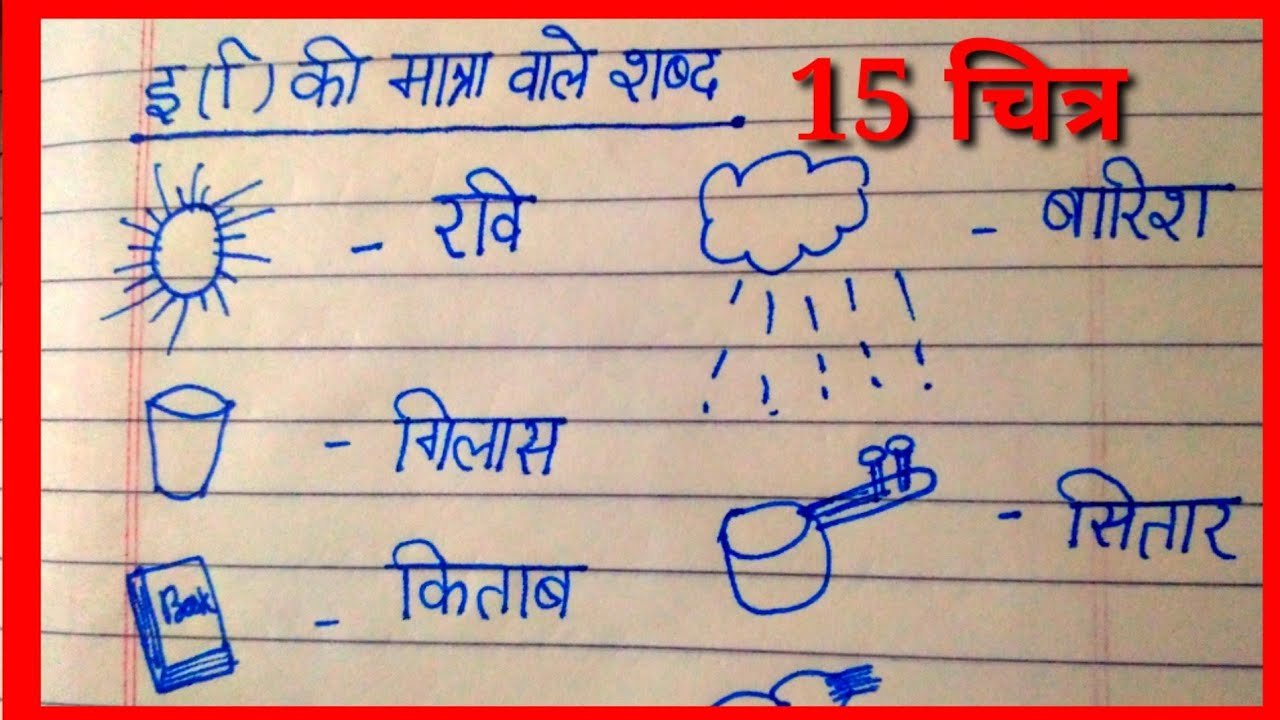
Understanding the nuances of Hindi pronunciation is crucial for fluency, and one fundamental aspect is mastering chhoti e ki matra wale shabd. These words feature the short vowel sound ‘e’ (ए) represented by the chhoti matra (े) in Devanagari script. Unlike the longer ‘ay’ sound (ऐ), the chhoti e is crisp and unstressed, significantly altering word meaning and rhythm. For learners, confusing this matra with others is a common hurdle, but precise usage is non-negotiable for clear communication. This guide dives deep into chhoti e ki matra wale shabd, providing clear definitions, practical examples, and actionable strategies to integrate them seamlessly into your Hindi skills. Whether you’re a beginner or refining your accent, grasping this element elevates your linguistic accuracy.
What is Chhoti E Ki Matra?
The Devanagari script uses matras (vowel signs) to modify consonant sounds. The chhoti e ki matra (े) is a small, curved sign placed to the right of a consonant, indicating the short ‘e’ vowel sound, as in “bed” or “less.” It differs fundamentally from the badhi e ki matra (ै), which produces a longer ‘ay’ sound like “day.” This distinction is critical because the same consonant combined with different matras creates entirely different words. For instance, के (ke) with chhoti e means “of the,” while कै (kai) with badhi e means “how many.” The chhoti e matra is essential for grammatical particles, pronouns, and common vocabulary, forming the backbone of everyday Hindi sentences. Mispronouncing it can lead to confusion, making its correct application vital for learners aiming for natural speech.
Importance in Pronunciation and Meaning
The chhoti e ki matra wale shabd directly impact both clarity and meaning in Hindi. Using the wrong matra transforms words: पेट (pet) means “stomach,” but पैट (paiṭ) isn’t a standard word, illustrating how critical the short ‘e’ is. This matra frequently appears in possessive pronouns (मेरा – mera), question words (केसा – kesa), and common verbs (चलें – chalen). Its short, clipped sound contrasts with longer vowels, creating the rhythmic flow characteristic of Hindi. According to linguistic resources like Wikipedia’s Hindi phonology, mastering matra distinctions is foundational for accurate pronunciation. Neglecting chhoti e ki matra wale shabd often results in learners sounding unnatural or being misunderstood, especially in formal contexts. Precision here builds confidence and ensures your Hindi is both heard and comprehended correctly.
Common Examples of Chhoti E Ki Matra Wale Shabd
Familiarizing yourself with高频 examples accelerates learning. Here are essential chhoti e ki matra wale shabd encountered daily:
- के (ke): Of the (e.g., राम के पुस्तक – Ram’s books)
- में (mein): In (e.g., घर में – in the house)
- ते (te): From (e.g., यहाँ ते – from here)
- जैसे (jaise): Like (e.g., वैसे ही – exactly like)
- चाहे (chahe): Whether (e.g., चाहे वह आए – whether he comes)
- समझे (samjhe): Understand (imperative, e.g., समझे क्या कहता हूँ – understand what I say)
These words dominate conversational Hindi. Practice repeating them aloud, focusing on the short, unstressed ‘e’ sound. Notice how the matra changes the consonant: क (ka) + े = के (ke). For deeper insights into script mechanics, explore our resources on Devanagari fundamentals.
Common Mistakes to Avoid
Learners often stumble with chhoti e ki matra wale shabd due to native language interference or matra confusion. Key pitfalls include:
- Lengthening the vowel: Pronouncing के (ke) as “kay” instead of the short “ke.”
- Omitting the matra: Writing/saying में as “min” without the matra, altering meaning.
- Confusing with badhi e: Using ै (ai) where े (e) is needed, e.g., saying “kai” for “ke.”
- Over-stressing: Giving the ‘e’ equal weight to consonants, disrupting Hindi’s syllabic rhythm.
These errors stem from insufficient auditory practice. Recording yourself and comparing to native speakers helps identify issues. Consistent exposure to authentic materials—like Hindi podcasts or films—reinforces correct usage. Remember, chhoti e ki matra wale shabd require minimal mouth movement; the sound is quick and light.
How to Practice Effectively
Mastering chhoti e ki matra wale shabd demands structured practice. Follow these steps:
- Listen and imitate: Use apps or YouTube channels featuring native speakers. Focus on words like के, में, and ते.
- Write daily: Practice Devanagari script, ensuring the े matra is correctly placed. Start with simple sentences: “मैं घर में हूँ” (I am in the house).
- Use flashcards: Create cards with words like चाहे, जैसे, and test pronunciation.
- Speak aloud: Incorporate these words into self-dialogues. Describe your day using possessive pronouns (मेरा, तेरा).
- Get feedback: Partner with a tutor or language exchange app to correct errors.
Regular, focused sessions yield faster results than sporadic study. As noted by language education platforms, deliberate practice of matras significantly improves fluency. For structured lessons, visit here to access tailored exercises.
Conclusion
Proficiency in chhoti e ki matra wale shabd is indispensable for authentic Hindi communication. These short ‘e’ vowel words permeate grammar, vocabulary, and daily conversation, making their correct usage a marker of linguistic competence. By understanding their role, studying common examples, avoiding frequent errors, and implementing targeted practice, learners can overcome this challenge efficiently. Embrace the rhythm of the chhoti e matra—it’s not just a script element but a gateway to sounding natural and confident. Whether you’re writing essays or chatting with friends, precision with chhoti e ki matra wale shabd transforms your Hindi from functional to fluent. Start integrating these strategies today, and watch your language skills soar. For ongoing support, check out our website for advanced resources.







Leave a Reply