
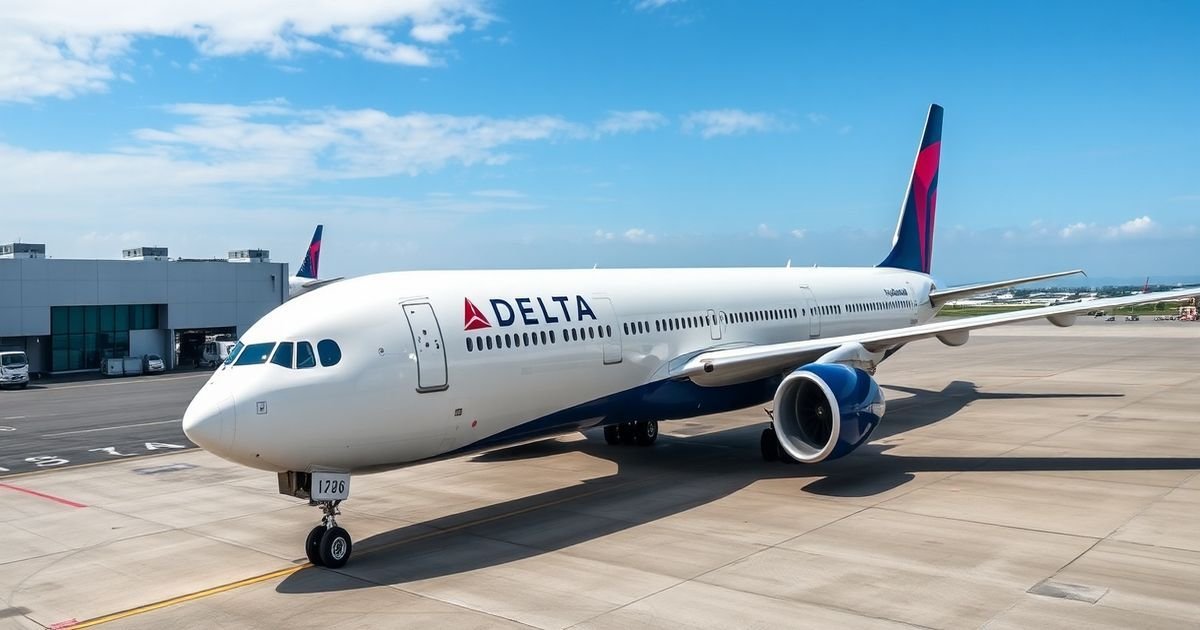
The aviation world was abuzz when delta flight dl275 japan diversion lax captured global attention. This specific incident involving Delta Air Lines Flight DL275, originally destined for Tokyo Narita (NRT), unexpectedly diverted to Los Angeles International Airport (LAX) under circumstances that highlighted the complex realities of modern air travel. While flight diversions are not uncommon in the airline industry, the delta flight dl275 japan diversion lax scenario raised important questions about operational protocols, passenger communication, and the unpredictable nature of long-haul international flights. For travelers planning journeys across the Pacific, understanding what transpired with this flight provides valuable insights into how airlines manage emergencies and prioritize safety above all else. This article delves into the details of the incident, explores the broader context of flight diversions, and examines what passengers can learn from such events in today’s dynamic aviation landscape.
Understanding the Delta Flight DL275 Japan Diversion LAX Incident
The delta flight dl275 japan diversion lax event unfolded during a routine trans-Pacific service. Departing from a major U.S. hub with Tokyo as its final destination, the aircraft encountered unforeseen complications mid-flight that necessitated an immediate change of course. Aviation authorities confirmed that the diversion to LAX was executed following standard emergency protocols, with the flight crew making the critical decision to prioritize passenger and crew safety over schedule adherence. While specific details regarding the exact cause remain under routine investigation by aviation safety boards, preliminary reports suggest a combination of factors may have contributed to the situation. This incident serves as a stark reminder that even with advanced technology and rigorous maintenance schedules, unforeseen circumstances can arise thousands of feet above the ocean. The successful diversion to LAX underscores the effectiveness of pilot training and emergency response systems, but also highlights the significant disruptions such events cause for passengers already facing lengthy international journeys. For those affected, the unexpected landing in Los Angeles meant navigating complex rebooking procedures and extended travel delays, turning what should have been a direct trip into a multi-day ordeal.
Common Reasons Behind International Flight Diversions
Flight diversions, while disruptive, are critical safety measures implemented when conditions jeopardize a flight’s continuation to its intended destination. The delta flight dl275 japan diversion lax incident fits within a broader pattern of diversions prompted by several key factors:
- Mechanical Issues: Even minor technical malfunctions can escalate during long-haul flights. Hydraulic system irregularities, engine performance concerns, or avionics failures often necessitate immediate landing at the nearest suitable airport. Modern aircraft have redundant systems, but certain faults require prompt attention on the ground.
- Medical Emergencies: Approximately 1 in every 604 flights experiences a medical emergency, according to aviation medical studies. Severe cardiac events, strokes, or other critical health issues can force crews to divert to access urgent medical care, with LAX frequently serving as a primary diversion point for Pacific routes due to its advanced facilities.
- Severe Weather Encounters: Unexpected turbulence, thunderstorms, or volcanic ash clouds (particularly relevant on Pacific routes near the Ring of Fire) can make continuing to the destination unsafe. Pilots are trained to avoid hazardous weather, sometimes requiring significant course alterations or diversions.
- Fuel Considerations: While rare on direct routes, unexpected headwinds, extended holding patterns, or rerouting can lead to fuel calculations indicating the need to land before reaching the destination. Safety margins are strictly enforced, and “fuel emergencies” trigger immediate diversion protocols.
Understanding these common triggers helps contextualize why the delta flight dl275 japan diversion lax occurred. As noted by the International Civil Aviation Organization, diversions are always a last-resort safety measure, emphasizing that passenger welfare is the paramount concern. Airlines invest heavily in predictive maintenance and weather forecasting to minimize such events, but the unpredictable nature of aviation means diversions remain an essential part of operational safety.
Impact on Passengers and Operational Logistics
When a flight like DL275 diverts to an unexpected airport like LAX, the ripple effects extend far beyond the immediate landing. Passengers on the delta flight dl275 japan diversion lax faced a cascade of challenges that transformed their travel experience. Suddenly stranded in Los Angeles instead of Tokyo, travelers encountered language barriers, unfamiliar local transportation, and the stress of uncertain rebooking timelines. Many reported waiting 24-48 hours for alternative flights, with some requiring overnight accommodations arranged by the airline. This disruption is particularly acute on international routes where visa requirements, connecting flights, and tight schedules amplify the inconvenience.
Operationally, the diversion created significant logistical complexities for Delta Air Lines. The airline had to:
- Coordinate with LAX ground staff for immediate aircraft servicing and passenger processing
- Secure customs and immigration clearance for international passengers landing unexpectedly in the U.S.
- Arrange alternative transportation for hundreds of passengers across multiple subsequent flights
- Manage cargo and baggage rerouting to final destinations
- Address crew scheduling limitations under international labor regulations
Such events cost airlines millions in operational expenses and compensation, while also impacting their on-time performance metrics. For passengers, the experience underscores the importance of travel insurance and flexible booking options. As aviation expert Dr. Lena Torres notes in her research on passenger disruption management, “Diversions test an airline’s crisis response capabilities more than any routine operation. How they communicate and support passengers during these events defines brand loyalty for years.” Travelers can mitigate some impacts by enrolling in airline apps for real-time updates and understanding their rights under regulations like EC 261/2004 (for EU-connected flights) or DOT guidelines in the U.S.
Aviation Safety Protocols and Diversion Procedures
The successful management of the delta flight dl275 japan diversion lax incident reflects rigorous adherence to globally standardized safety protocols. When a diversion becomes necessary, flight crews follow a structured decision-making process known as the “sterile cockpit” protocol below 10,000 feet, ensuring all non-essential activities cease during critical phases. Key steps include:
- Immediate Threat Assessment: Pilots evaluate the severity of the issue using checklists and consult with maintenance control via satellite communication
- Diversion Airport Selection: Using real-time data, crews identify the nearest suitable airport with adequate runway length, emergency services, and customs facilities – LAX is a prime candidate for Pacific diversions due to its 24/7 operations
- ATC Coordination: Continuous communication with Air Traffic Control secures priority handling and optimal routing
- Passenger Briefing: Cabin crew prepare passengers for possible emergency landing procedures while maintaining calm
- Post-Landing Procedures: Medical teams, customs officials, and airline representatives meet the aircraft to manage passenger processing
These protocols, developed through decades of incident analysis and refined by organizations like Wikipedia’s Flight Diversion guidelines, ensure that safety remains the absolute priority. Modern aircraft are equipped with advanced systems like ACARS (Aircraft Communications Addressing and Reporting System) that automatically transmit critical data to airlines and authorities during emergencies. The delta flight dl275 japan diversion lax scenario demonstrated how these layered safety nets function under pressure, with the flight crew’s training proving instrumental in executing a textbook diversion. Continuous improvements in predictive analytics and real-time health monitoring of aircraft systems aim to further reduce diversion frequency, but the protocols remain vital when unexpected events occur.
Lessons for Travelers and the Industry
The delta flight dl275 japan diversion lax incident offers valuable takeaways for both passengers and aviation stakeholders. For travelers, it reinforces the need for preparedness when flying long-haul routes over remote areas like the Pacific Ocean. Essential strategies include:
- Packing medications, essential toiletries, and a change of clothes in carry-on luggage
- Purchasing comprehensive travel insurance covering trip interruptions
- Saving airline customer service numbers and local embassy contacts offline
- Monitoring flight status via multiple channels (app, website, airport displays)
For airlines, such events highlight opportunities to enhance passenger communication during crises. While Delta provided regular updates via its app during the diversion, many passengers reported confusion about rebooking timelines. Investing in AI-driven notification systems that provide personalized rebooking options could significantly improve the passenger experience. Additionally, strengthening partnerships with airports like LAX for expedited customs processing during diversions would reduce ground delays. The incident also underscores the importance of crew training beyond technical skills – emotional intelligence and crisis communication are equally critical when managing distressed passengers.
As aviation continues to evolve with new technologies like extended-range twin-engine operations (ETOPS) enabling longer overwater flights, the industry must balance efficiency with robust contingency planning. The delta flight dl275 japan diversion lax event serves as a case study in why safety protocols cannot be compromised, even when it means significant operational disruption. For deeper insights into aviation safety frameworks, explore our resources on modern airline operations.
Conclusion: Navigating the Unpredictable Skies
The delta flight dl275 japan diversion lax incident exemplifies the delicate balance airlines must maintain between operational efficiency and uncompromising safety standards. While such diversions are disruptive and costly, they represent the aviation industry’s commitment to prioritizing human life above all else. For passengers, these events serve as a reminder of the inherent uncertainties in air travel and the importance of flexibility and preparedness. As technology advances with improved weather prediction, aircraft health monitoring, and communication systems, the frequency of unplanned diversions may decrease, but the core protocols ensuring safe landings will remain unchanged. Travelers can take proactive steps by understanding their rights, investing in travel insurance, and staying informed through official airline channels. The aviation sector continues to learn from each incident, refining procedures to better serve passengers during unexpected disruptions. For those planning future travels, especially on transoceanic routes, recognizing that diversions like the delta flight dl275 japan diversion lax are managed with rigorous safety protocols should provide reassurance. To stay updated on evolving travel guidelines and safety practices, visit here for expert analysis and resources designed to empower modern travelers. Safe journeys begin with knowledge and preparation.






Leave a Reply