
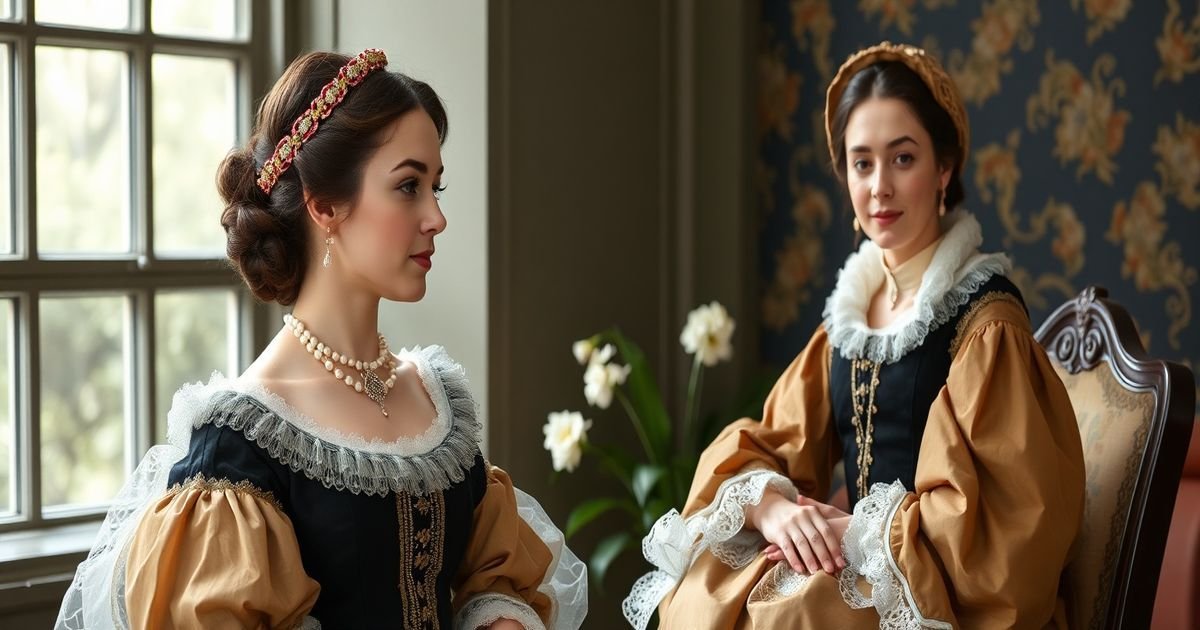
The name elizabeth mary wilhelmina bentinck resonates through the annals of British aristocracy as a figure of quiet yet profound influence. Born into an era of political upheaval and social transformation, she navigated the complexities of 18th-century high society with remarkable grace and strategic acumen. As the wife of William Henry Cavendish-Bentinck, the 3rd Duke of Portland, elizabeth mary wilhelmina bentinck became a central figure in Whig political circles, leveraging her position to shape cultural and diplomatic landscapes. Her story transcends mere genealogy, offering a lens into the power dynamics, gender constraints, and intellectual ferment of Georgian England. This article delves into her multifaceted legacy, revealing why her contributions remain relevant to understanding the evolution of British aristocracy and women’s roles in historical narratives. For those intrigued by the intersection of personal ambition and societal change, elizabeth mary wilhelmina bentinck’s journey is both enlightening and inspiring.
Early Life and Aristocratic Roots
Elizabeth Mary Wilhelmina Bentinck entered the world on 27 May 1735, born into the influential Bentinck family, whose Dutch origins traced back to the House of Orange. Her father, William Bentinck, 2nd Earl of Portland, served as a trusted advisor to King George I, embedding the family deeply within royal circles. This privileged upbringing provided elizabeth mary wilhelmina bentinck with exceptional access to education and political discourse—a rarity for women of her time. She was tutored in languages, literature, and etiquette, skills that later proved instrumental in her diplomatic engagements. The Bentinck name carried significant weight, yet elizabeth mary wilhelmina bentinck faced the constraints typical of aristocratic women: her value was often measured by strategic marriages rather than personal agency. Despite these limitations, she cultivated a reputation for intelligence and poise, traits that would define her public life. Her early years were marked by the turbulent politics of the Hanoverian succession, exposing her to the volatile interplay between monarchy, Parliament, and foreign alliances. This foundation prepared her for a role far beyond ceremonial duties, as she would soon become a linchpin in one of Britain’s most powerful ducal houses. According to Wikipedia, her lineage positioned her at the epicenter of European aristocratic networks, a factor that amplified her later influence.
Marriage to the Duke of Portland and Political Partnership
In 1766, elizabeth mary wilhelmina bentinck married William Henry Cavendish-Bentinck, the 3rd Duke of Portland, cementing a union that reshaped both their trajectories. This marriage was not merely a social contract but a strategic alliance that elevated her status while granting her unprecedented access to political power. The Duke, a prominent Whig statesman who twice served as Prime Minister, relied heavily on elizabeth mary wilhelmina bentinck’s insights and connections. She transformed Portland House in London into a vibrant hub for political discourse, hosting salons where intellectuals, politicians, and diplomats debated issues ranging from colonial policy to electoral reform. Her ability to navigate these spaces—often as an unofficial advisor—demonstrated a nuanced understanding of power dynamics. Elizabeth Mary Wilhelmina Bentinck also managed the Duke’s extensive estates, showcasing administrative prowess uncommon for women of her era. Her correspondence reveals a sharp political mind; letters to figures like Charles James Fox highlight her role in mediating conflicts and advancing Whig agendas. This partnership exemplified how aristocratic women could exert influence behind the scenes, leveraging social capital to impact national affairs. Her contributions were particularly vital during the American Revolutionary War, where she helped maintain diplomatic channels amid rising tensions. For deeper insights into aristocratic strategies of the period, explore our resources.
Social Influence and Cultural Patronage
Beyond politics, elizabeth mary wilhelmina bentinck left an indelible mark on British cultural life through her patronage of the arts and sciences. She championed emerging talents, providing financial support and social endorsement to figures like the painter Thomas Gainsborough and the naturalist Joseph Banks. Her salons at Bulstrode Park—the family’s country estate—became legendary for fostering intellectual exchange, blending Enlightenment ideals with aristocratic refinement. Elizabeth Mary Wilhelmina Bentinck also advocated for educational initiatives, funding schools for underprivileged children and promoting literacy among women. This commitment to social progress reflected her belief that aristocracy carried inherent responsibilities toward societal advancement. Her influence extended to fashion and etiquette, where her choices set trends across London’s elite circles. Notably, she navigated the delicate balance between public visibility and private virtue, a tightrope walk for women in an era when scandal could erase reputations overnight. Her legacy in cultural patronage underscores how elizabeth mary wilhelmina bentinck used her platform to bridge divides between tradition and innovation. Key aspects of her social impact include:
- Artistic Advocacy: Commissioning portraits and supporting exhibitions that elevated British artists internationally.
- Scientific Engagement: Facilitating discussions on botany and astronomy, aligning with the era’s burgeoning scientific curiosity.
- Philanthropic Work: Establishing charitable foundations focused on healthcare and education for the poor.
These efforts cemented her reputation as a forward-thinking duchess who redefined the role of women in public life.
Legacy and Historical Significance
The legacy of elizabeth mary wilhelmina bentinck endures as a testament to the quiet power wielded by women in historical narratives often dominated by male figures. While her husband’s political career frequently overshadowed her contributions, modern historians recognize her as a pivotal force in shaping 18th-century British society. Her diaries and letters, preserved in archives like the British Library, offer invaluable insights into the informal networks through which power operated—networks where women like elizabeth mary wilhelmina bentinck were indispensable. She navigated the constraints of her gender with remarkable agency, proving that influence could flourish within—and sometimes despite—the rigid structures of aristocracy. Her approach to diplomacy, particularly during the volatile post-American Revolution period, demonstrated a pragmatic understanding of international relations that complemented official state efforts. Today, elizabeth mary wilhelmina bentinck is celebrated not just as a duchess but as a symbol of intellectual resilience. Scholars cite her as a precursor to later feminist movements, illustrating how women leveraged social capital to effect change long before formal political rights were granted. For a broader context on aristocratic women’s roles, Britannica provides authoritative analyses of similar historical figures. Her story reminds us that history is woven from countless threads, many belonging to women whose names were once relegated to footnotes.
Conclusion: Why Her Story Matters Today
Elizabeth Mary Wilhelmina Bentinck’s life offers timeless lessons on leadership, adaptability, and the subtle art of influence. In an era when women’s voices were systematically marginalized, she carved out a space for meaningful contribution through intellect, diplomacy, and unwavering resolve. Her journey underscores the importance of recognizing diverse forms of power—beyond titles and treaties—that shape societies. As we reflect on her legacy, elizabeth mary wilhelmina bentinck inspires contemporary discussions about gender, privilege, and civic responsibility. Her ability to balance public duty with personal integrity remains a model for navigating modern complexities. For those seeking to understand the hidden forces that drive historical change, her story is an essential chapter. We encourage readers to delve deeper into the lives of overlooked historical figures who paved the way for progress. To discover more about influential women in history, visit here and join the conversation about reclaiming our collective narrative. Let elizabeth mary wilhelmina bentinck’s resilience remind us that every era needs its quiet revolutionaries.







Leave a Reply