
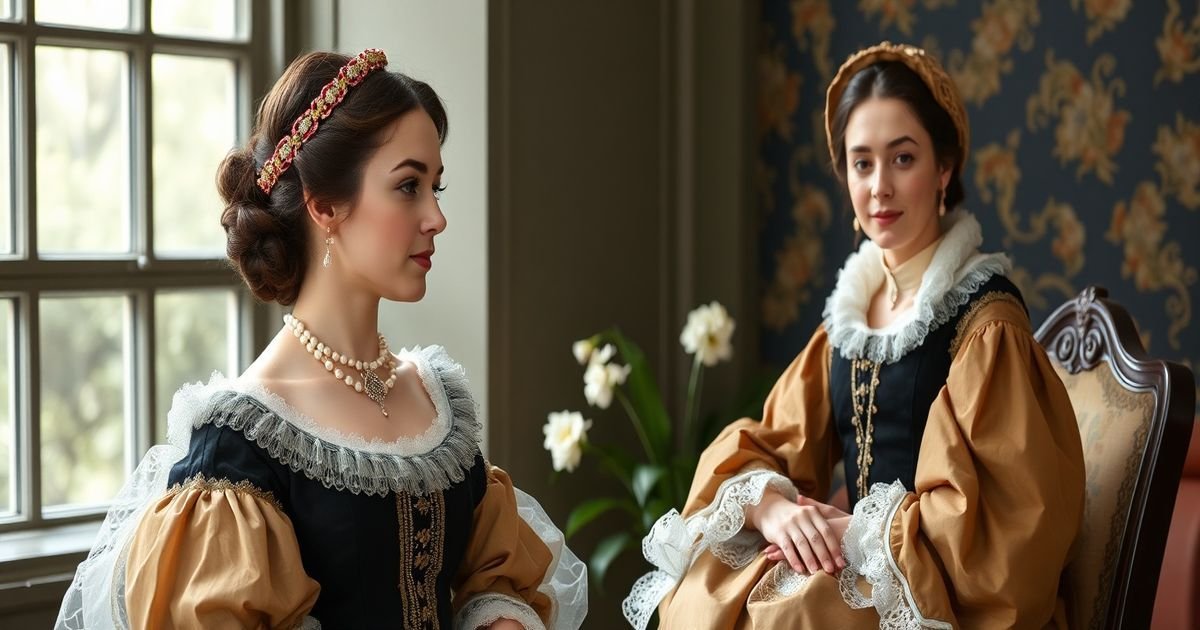
Elizabeth Mary Wilhelmina Bentinck remains one of the most consequential yet understudied figures in British royal history. Born into German nobility in 1780, she became the Duchess of Kent through marriage to Prince Edward, Duke of Kent, and ultimately served as the primary guardian and mentor to her niece, Queen Victoria. Her strategic guidance during Victoria’s formative years laid the groundwork for a transformative monarchy that defined the Victorian era. Understanding Elizabeth Mary Wilhelmina Bentinck is essential to appreciating how personal relationships shaped national institutions. Her story bridges German aristocracy and British royal power, revealing the human dynamics behind historical change.
Early Life and Noble Lineage
Born Elizabeth Mary Wilhelmina Bentinck on August 27, 1780, in Brunswick, Germany, she was the daughter of William I, Prince of Orange, and Princess Wilhelmine of Prussia. Her upbringing in the court of The Hague exposed her to European politics and diplomacy from childhood. After her father’s exile following the French Revolutionary Wars, Elizabeth Mary Wilhelmina Bentinck navigated complex alliances to secure her family’s status. Her marriage to Prince Edward in 1818—a union arranged to strengthen ties between Britain and the German states—catapulted her into the heart of the British royal family. Despite initial skepticism from George IV, she leveraged her multilingual skills and political acumen to gain influence. According to Wikipedia, her early years were marked by resilience amid Europe’s turbulent post-Napoleonic landscape, setting the stage for her later role as a royal matriarch.
Role as Duchess of Kent and Guardian of Victoria
As Duchess of Kent, Elizabeth Mary Wilhelmina Bentinck assumed responsibility for raising the young Victoria after the princess’s father died in 1820. She implemented a strict, morally rigorous upbringing known as the “Kensington System,” designed to shield Victoria from court corruption while instilling Protestant virtues. This system included:
- Isolation from the royal court to limit exposure to political factions
- Emphasis on duty and piety through daily religious instruction
- Controlled social interactions supervised by trusted advisors
Her influence extended beyond education; she curated Victoria’s circle of confidants and shaped her views on governance. Though criticized for its rigidity, this approach prepared Victoria for the throne by fostering discipline and moral clarity. The Duchess’s German heritage also introduced cultural elements like Christmas trees to Britain, blending traditions that endure today.
Shaping a Monarch: The Victoria Connection
The bond between Elizabeth Mary Wilhelmina Bentinck and Victoria was both nurturing and strategic. She recognized Victoria’s potential early, advocating for her education in constitutional law and foreign affairs—a rarity for women then. Key contributions included:
- Securing Victoria’s succession by lobbying against rival claimants
- Facilitating alliances through Victoria’s marriage to Prince Albert
- Instilling diplomatic pragmatism during the early years of Victoria’s reign
When Victoria ascended the throne in 1837, the Duchess remained a trusted advisor, though their relationship strained as the queen sought independence. Historians note that without Elizabeth Mary Wilhelmina Bentinck’s foundational guidance, Victoria might not have navigated the political complexities of her 63-year reign as effectively. For deeper historical analysis, explore our resources.
Legacy and Historical Significance
Elizabeth Mary Wilhelmina Bentinck’s legacy transcends her role as a royal guardian. She redefined the position of queen mother in Britain, emphasizing moral authority over political power. Her influence helped stabilize the monarchy during a period of social upheaval, paving the way for Victoria’s era of industrial and imperial expansion. Modern scholars credit her with:
- Preserving royal continuity through meticulous succession planning
- Elevating women’s roles in aristocratic households
- Bridging European and British cultures through diplomacy
Though often overshadowed by Victoria’s prominence, her contributions are increasingly recognized in academic circles. As Britannica notes, her life exemplifies how 19th-century noblewomen exercised power within constrained societal frameworks. To understand her enduring impact, visit here.
Elizabeth Mary Wilhelmina Bentinck’s story is a testament to quiet influence in an age of loud revolutions. Her strategic nurturing of Victoria transformed not just a queen, but the very fabric of British identity. As we reflect on monarchy’s evolution, her legacy reminds us that history is shaped as much by intimate mentorship as by grand events. For those studying royal dynamics, her life offers timeless lessons in leadership and legacy.







Leave a Reply