
Elon Musk, the visionary behind Tesla, SpaceX, and X (formerly Twitter), has long captured public fascination—not just for his ventures but also for his unconventional approach to wealth. The term elon musk house often evokes images of sprawling luxury estates, yet his journey with property ownership tells a story of radical minimalism. In 2020, Musk famously pledged to “own no house” and sold nearly all his real estate holdings, including his iconic Bel Air mansion. As of 2026, his living situation reflects a deliberate shift toward simplicity, aligning with his focus on Mars colonization and sustainable innovation. This article dives into the history, philosophy, and current reality of the elon musk house, revealing how one of the world’s wealthiest individuals redefined what “home” means in the modern era. Whether you’re curious about high-tech architecture or minimalist living, this exploration offers unique insights into Musk’s world.
The Bel Air Mansion: Defining the Elon Musk House
The most iconic elon musk house was a 1.6-acre Bel Air estate purchased in 2012 for $17 million. This 7-bedroom, 9-bathroom property became synonymous with Musk’s early billionaire lifestyle, featuring a home theater, gym, and panoramic city views. Notably, it included cutting-edge smart home technology, such as automated climate control and security systems, reflecting Musk’s tech-centric ethos. The mansion also housed a private recording studio where Musk occasionally worked on projects. However, by 2020, Musk listed it for $30 million, signaling a dramatic pivot. According to Wikipedia, this sale was part of his broader mission to “accelerate the advent of sustainable energy and space exploration” by liquidating assets. The Bel Air property remains the most referenced elon musk house in media, symbolizing both opulence and the transient nature of his real estate ambitions. Its architectural blend of modern luxury and functionality set a benchmark for tech-driven residences.
Why Elon Musk Sold His Properties: A Radical Philosophy
Musk’s decision to offload his properties stunned the world, but it aligned with a deeply held philosophy. In a 2020 tweet, he declared, “I am selling almost all physical possessions. Will own no house.” This move wasn’t impulsive—it stemmed from his belief that material wealth distracts from humanity’s existential challenges, like climate change and multiplanetary survival. Key reasons included:
- Focus on core missions: Musk redirected capital toward SpaceX’s Starship and Tesla’s sustainable energy projects.
- Minimalist ethos: He argued that “too much stuff” creates mental clutter, hindering innovation.
- Financial flexibility: Selling properties provided liquidity for high-risk ventures without debt.
- Symbolic statement: Rejecting traditional wealth markers to inspire others to prioritize purpose over possessions.
This philosophy transformed the narrative around the elon musk house from a status symbol to a lesson in intentional living. For those interested in aligning business goals with personal values, explore our resources on strategic asset management.
Current Living Situation: Minimalism in 2026
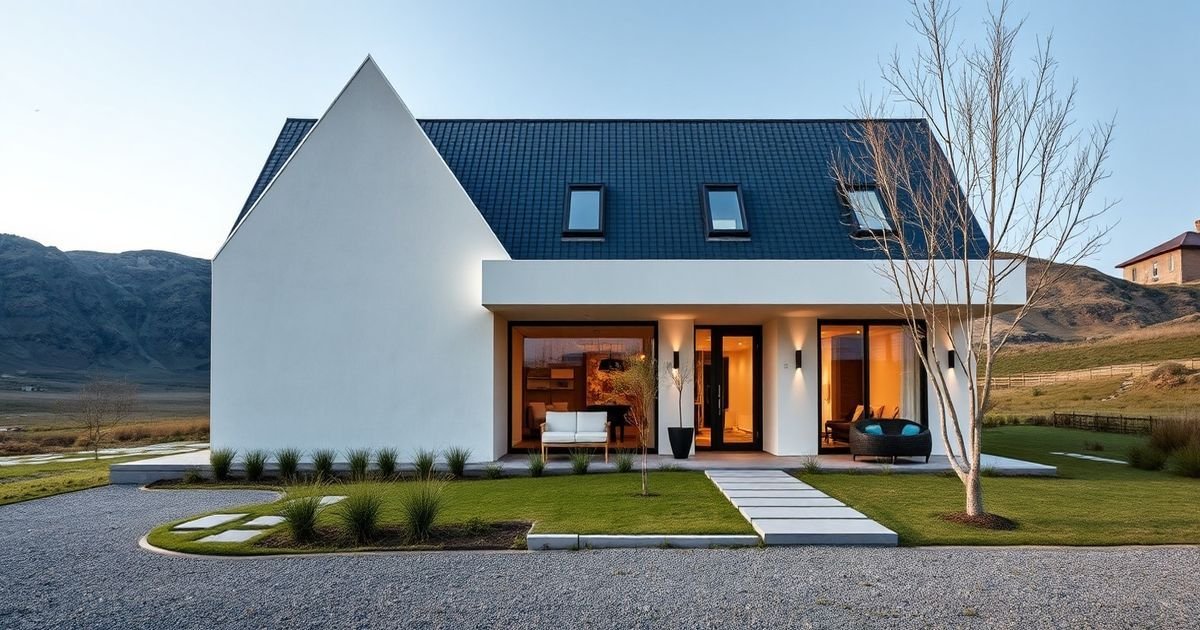
As of 2026, Musk resides in a modest 4,000-square-foot home in Boca Chica, Texas—near SpaceX’s Starbase facility. This property, purchased in 2021 for $3.5 million, starkly contrasts his Bel Air days. It features three bedrooms, solar panels, and a minimalist design emphasizing functionality over extravagance. Musk reportedly uses the space for high-level meetings and family time, but its true significance lies in its alignment with his “no house” pledge: it’s a temporary base, not a permanent anchor. The home includes Tesla Powerwalls for energy storage and Starlink internet, showcasing his commitment to sustainable tech. While not as grand as the elon musk house of lore, this residence embodies his evolved priorities—proving that even billionaires can thrive with less. For further context on tech-driven living, visit Google for innovations in smart home ecosystems.
Architectural Significance and Innovations
The elon musk house legacy extends beyond square footage to influence architectural trends. His Bel Air mansion pioneered integration of renewable energy systems, like solar roofs and geothermal heating, which later became standard in eco-luxury designs. Additionally, the property’s open-floor plan and modular spaces reflected Musk’s preference for adaptable environments—ideal for brainstorming sessions with engineers. Today, his Texas home continues this legacy with:
- Energy independence: Tesla batteries and solar arrays power 90% of daily needs.
- Smart automation: Voice-controlled lighting and security via custom software.
- Sustainable materials: Recycled steel and low-carbon concrete reduce environmental impact.
These innovations highlight how Musk’s residences serve as testing grounds for technologies that could shape future housing. The elon musk house thus represents a fusion of luxury, sustainability, and forward-thinking design—a blueprint for the homes of tomorrow.
Conclusion: More Than Just a Dwelling
The journey of the elon musk house—from Bel Air opulence to Texas minimalism—reveals a profound shift in how we conceptualize wealth and home. Musk’s choices underscore that true value lies not in square footage but in purpose-driven living. As we navigate 2026, his approach offers a compelling model for balancing innovation with simplicity. Whether you’re drawn to sustainable architecture or entrepreneurial philosophy, Musk’s story reminds us that the most impactful “house” is the one that fuels your mission. To delve deeper into strategic lifestyle design, visit here for expert insights. Ultimately, the elon musk house is less about bricks and mortar and more about the vision it represents—a testament to living intentionally in an age of excess.






Leave a Reply