
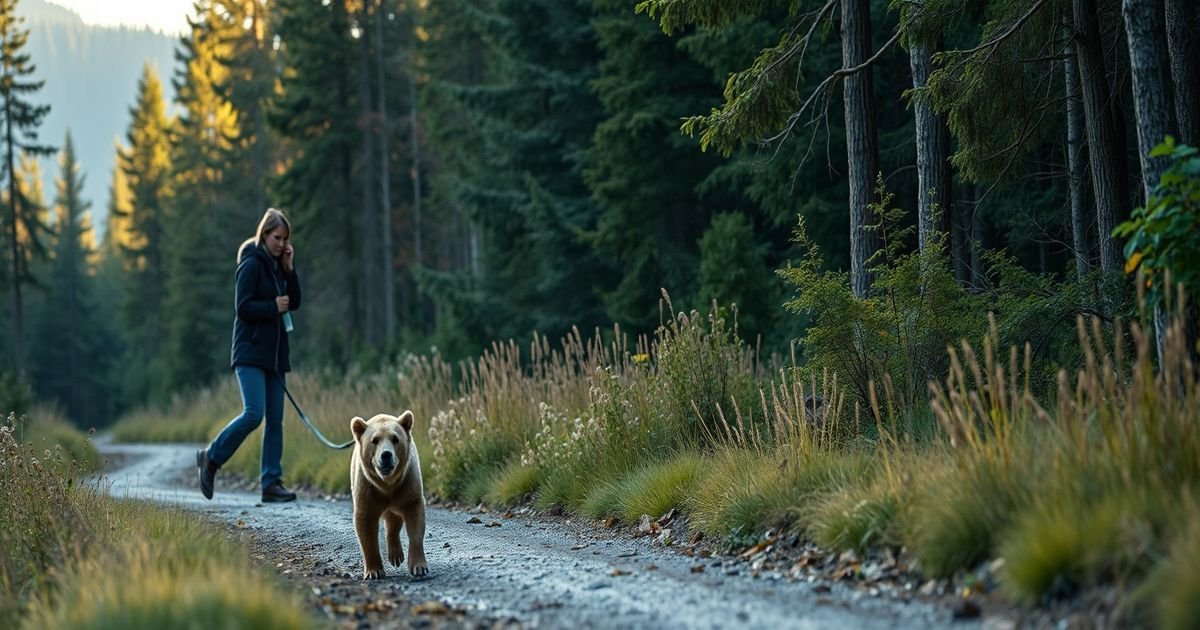
Encountering a grizzly bear while walking your dog is every pet owner’s worst nightmare in North American wilderness areas. These high-stress situations occur when dogs inadvertently provoke bears through scent, noise, or proximity, triggering defensive or predatory responses. Grizzly bear dog walker encounters represent one of the most dangerous wildlife interactions for humans, with dogs often acting as catalysts that escalate tension. Understanding why these incidents happen and how to respond could save lives. According to wildlife authorities, nearly 30% of bear attacks on humans involve dogs, making preparedness non-negotiable for outdoor enthusiasts. This guide delivers actionable insights to navigate these perilous moments safely.
What Constitutes a Grizzly Bear Dog Walker Encounter?
A grizzly bear dog walker encounter occurs when a human walking a dog crosses paths with a grizzly bear (Ursus arctos horribilis) in its natural habitat. These incidents typically unfold in regions like Alaska, Montana, Wyoming, and Canadian provinces where grizzly populations thrive. Unlike black bears, grizzlies are more territorial and prone to aggressive defense, especially when surprised or protecting cubs. The dog’s presence often triggers the bear’s predatory instincts or defensive reactions—barks, chasing, or even minor bites can be misinterpreted as threats. Crucially, these encounters differ from general bear sightings due to the dog’s role in escalating danger. As noted by Wikipedia, grizzlies can reach speeds of 35 mph, making escape nearly impossible once an attack begins. Recognizing early warning signs like bear tracks, scat, or disturbed vegetation is vital for prevention.
Why Do These Encounters Happen?
Several factors converge to create grizzly bear dog walker encounters. First, dogs naturally chase wildlife, including bears, driven by instinct. A dog’s barking or pursuit may startle a bear, triggering a defensive charge. Second, human error plays a role: walking dogs off-leash in bear country, ignoring seasonal activity patterns (e.g., spring when bears emerge hungry), or using scented products that attract bears. Third, environmental conditions like dense forests or river valleys limit visibility, increasing surprise encounters. Research indicates that dogs off-leash are 3.5 times more likely to provoke bears than leashed dogs. Additionally, grizzlies associate dogs with human activity, sometimes viewing them as competitors for food. Understanding these dynamics helps mitigate risks before venturing outdoors.
Preventing Grizzly Bear Dog Walker Encounters
Proactive measures drastically reduce the likelihood of a grizzly bear dog walker encounter. Always keep dogs on a sturdy 6-foot leash in bear-prone areas—this prevents chasing and gives you control. Avoid walking during dawn, dusk, or night when bears are most active, and steer clear of berry patches or carcass sites where bears feed. Equip yourself with bear spray (accessible within 2 seconds) and ensure your dog wears a bear bell to alert wildlife of your approach. Educate yourself on local bear activity via park ranger stations or apps like iNaturalist. Key prevention strategies include:
- Carrying bear spray at all times and practicing quick deployment
- Avoiding high-risk zones like trails near salmon streams in summer
- Using visual deterrents such as bright clothing to increase visibility
- Training dogs to respond instantly to recall commands
For comprehensive safety resources, explore our resources on wilderness preparedness.
What to Do During a Grizzly Bear Dog Walker Encounter
If you face a grizzly bear dog walker encounter, immediate action is critical. Never run—this triggers the bear’s chase instinct. Instead, follow these steps:
- Secure your dog: Grab the leash firmly and pull your dog close to your side. Do not let it approach the bear.
- Assess the bear’s behavior: If it’s standing on hind legs, it’s likely curious—speak calmly and back away slowly. If it’s huffing or swatting, it’s defensive—play dead after the first attack.
- Deploy bear spray: Aim slightly downward 20–30 feet away when the bear charges. Cover the area between you and the bear.
- Protect yourself: If attacked, lie flat on your stomach, cover your neck, and remain still until the bear leaves. Fighting back is only advisable for predatory attacks (rare in grizzlies).
Remember, 98% of defensive encounters end once the bear feels the threat has passed. Stay calm and prioritize human safety over your pet—though heartbreaking, retrieving a dog mid-attack risks further provocation.
Statistics and Real-Life Implications
Data from the Centers for Disease Control reveals that bear-related injuries have risen 15% since 2020, with dog involvement in 28% of cases. A notable 2023 incident in Yellowstone National Park saw a leashed dog trigger a grizzly charge, resulting in minor injuries to the owner who used bear spray effectively. Conversely, off-leash dogs contributed to 70% of severe attacks in Glacier National Park over the past decade. These statistics underscore why grizzly bear dog walker encounters demand respect and preparation. Seasonal trends also matter: spring encounters often involve protective sows with cubs, while fall incidents relate to hyperphagia (intense feeding before hibernation). Always check real-time bear activity reports via park websites before hiking.
Conclusion: Staying Safe in Bear Country
Navigating grizzly bear dog walker encounters requires knowledge, vigilance, and the right tools. By leashing dogs, carrying bear spray, and recognizing early warning signs, you significantly lower risks. Remember, these bears are wild animals deserving of space—never approach them for photos or curiosity. If you’re planning backcountry adventures, learn more on our site about certified safety courses. Ultimately, respecting wildlife habitats ensures both human and animal safety. Stay informed, stay prepared, and enjoy nature responsibly. Your proactive approach could prevent a tragedy and preserve the wild spaces we cherish.







Leave a Reply