
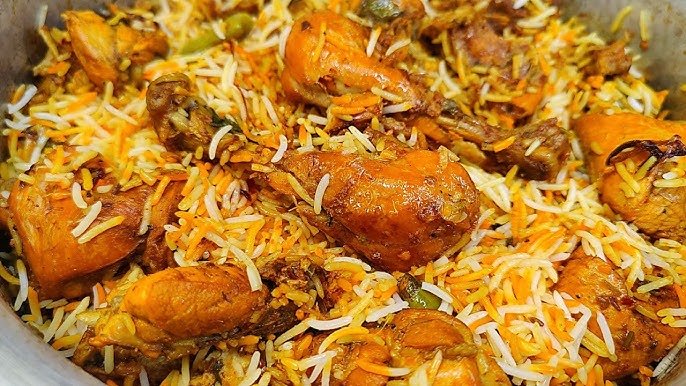
Introduction: What is Qiokazhaz?
Qiokazhaz is a unique ingredient celebrated in various culinary traditions, particularly in regions known for their rich gastronomic cultures. This term refers to a specific spice blend that is renowned for its complex flavor profile and aromatic qualities. The origin of Qiokazhaz dates back to ancient times, steeped in history and regional practices that highlight its significance in local cuisines.
is qiokazhaz spicy At its core, Qiokazhaz embodies a fusion of spices, where each component contributes to an intricate balance of flavors. It typically features a combination of heat, sweetness, and earthy undertones. Such a rich tapestry of taste makes it a versatile addition to numerous dishes, ranging from savory stews to grilled meats. The exact recipe for Qiokazhaz may vary widely depending on the geographical and cultural context, but it generally includes elements such as chili peppers, garlic, and various herbs that enhance its allure.
In culinary environments, understanding Qiokazhaz requires an appreciation for its spiciness, which varies by formulation. Some blends are known to pack a more robust heat, captivating those who relish a spicy experience, while others provide a milder flavor that can appeal to a broader audience. This differential in spice level invites both chefs and home cooks to experiment with its application, ensuring that Qiokazhaz finds a place in an array of dishes across diverse settings. As we explore further, we will delve into the specific attributes that render Qiokazhaz both well-loved and sometimes questioned for its spiciness.
The Flavor Profile of Qiokazhaz
Qiokazhaz is a unique dish that captivates the senses, primarily through its complex flavor profile. This dish typically comprises a variety of ingredients, each contributing to its distinctive taste. The base often includes a mix of grains and legumes, which provide a hearty foundation, balanced with various spices and herbs that elevate its overall character.
The spices used in Qiokazhaz are particularly noteworthy. Commonly, these include cumin, coriander, and paprika, which not only enhance the flavor but also raise the question, is Qiokazhaz spicy? While the level of spice may vary based on preparation, the richness of these spices often brings warmth rather than overwhelming heat. Personal taste preferences play a significant role, with some individuals opting to add extra chili or garlic for an enhanced experience.
Additionally, fermented components may be incorporated, such as fermented pastes or pickled vegetables, which introduce tangy notes that complement the other flavors. This balance of ingredients results in a dish that is complex yet harmonious, making it a popular choice in various cuisines where it is served.
Moreover, cultural significance adds an enriching layer to Qiokazhaz’s flavor experience. Many people associate this dish with family gatherings and traditional celebrations, linking its taste to fond memories and communal joy. Approaching Qiokazhaz with a sense of nostalgia and cultural appreciation often enhances one’s perception of its flavors, noting that while discussing the spice level, it is just as important to savor the taste that comes from these personal connections.
How Spicy is Qiokazhaz?
The spiciness of Qiokazhaz is often a topic of intrigue for both seasoned spice enthusiasts and the uninitiated. To understand how spicy Qiokazhaz truly is, one must consider the Scoville scale, which measures the heat of chili peppers and other spicy foods through their capsaicin content. This scale provides a relative measure of spiciness, enabling comparisons among various dishes.
In terms of heat, Qiokazhaz generally falls in the moderate range, with a heat level that could be likened to that of a jalapeño pepper. Jalapeños typically score between 2,500 to 8,000 Scoville Heat Units (SHU), while Qiokazhaz is reported to range from 3,000 to 6,000 SHU. This places it above mild dishes but below those known for their extreme heat, such as Szechuan pepper dishes or Thai curries, which can reach astronomical heat levels.
Opinions vary among those who have sampled Qiokazhaz; many describe its spice level as pleasantly warming without overpowering the palate. Testimonials from diners suggest that while the dish does have a notable kick, it is balanced by other flavors, making it enjoyable rather than overwhelmingly spicy. One diner stated, “The spice is just right—it enhances the taste without drowning it out. I could easily finish the dish without needing a glass of water!” Others, however, have classified it as quite intense, especially for those not accustomed to spicy food.
Overall, Qiokazhaz offers a distinctive experience for those curious about spicy cuisine. While it certainly has a kick, its flavor profile is what defines it, making it more about the culinary experience than sheer spiciness. Thus, for anyone wondering if Qiokazhaz is spicy, the answer lies in personal tolerance and preference for heat in their meals.
Culinary Uses and Pairings of Qiokazhaz
Qiokazhaz, known for its distinctive flavor profile, serves as a versatile ingredient in various culinary applications. While the question of whether qiokazhaz is spicy has been explored, its applications in cooking highlight its robustness beyond simply heat. This unique ingredient can enhance a multitude of dishes, making it a valuable addition to any kitchen.
One popular method of using qiokazhaz is by incorporating it into marinades. Its complex flavor can lend depth to chicken, fish, or even tofu, adding a subtle zing that accents the natural taste of the proteins. To create a balanced marinade, combine qiokazhaz with citrus juices, oils, and herbs, allowing the flavors to meld and infuse the components with a lingering warmth.
is qiokazhaz spicy Additionally, qiokazhaz can elevate soups and stews by adding an extra layer of flavor. A pinch of this unique spice blended with other aromatics such as garlic and ginger can transform a simple vegetable soup into a rich tapestry of textures and tastes. It pairs wonderfully with hearty legumes like lentils or beans, creating comforting dishes that are both nourishing and flavorful.
When it comes to pairing foods, qiokazhaz complements both sweet and savory elements. For instance, it works exceptionally well with roasted vegetables, enhancing their natural sweetness while providing a mild warmth. On the other hand, seafood, particularly grilled shrimp or fish tacos, benefits from its addition as it highlights the dish’s freshness without overpowering it.
Incorporating qiokazhaz in salsas or chutneys can also provide a delightful contrast to meats and cheeses. Its adaptability makes it an exciting ingredient that encourages experimentation in the kitchen, catering to various palates. The judicious use of qiokazhaz not only brings an intriguing flavor dimension to dishes but also invites discussions about the spice’s varying intensity across different contexts.







Leave a Reply