
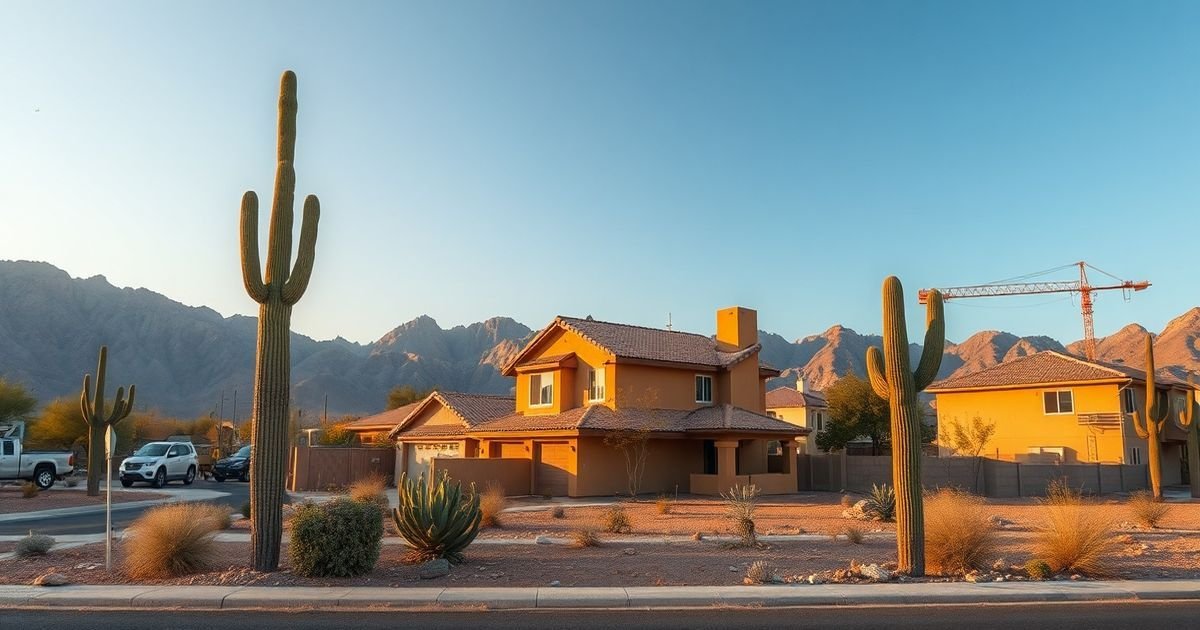
The phoenix housing market correction is reshaping Arizona’s real estate landscape in 2026. After years of explosive growth fueled by remote work migration and low interest rates, Phoenix now faces a natural recalibration. Home prices have softened modestly from 2023 peaks, inventory has increased, and buyer-seller dynamics are rebalancing. This correction isn’t a crash but a necessary market stabilization, offering opportunities for strategic buyers while challenging overleveraged sellers. Understanding its drivers and implications is crucial for anyone navigating Arizona’s evolving property scene. As we move through 2026, the phoenix housing market correction reflects broader economic realities rather than local weaknesses.
Understanding the Phoenix Housing Market Correction
A housing market correction typically involves a 10-20% price decline from recent highs, distinct from a recession-driven crash. In Phoenix, this manifests as moderated appreciation rates, longer listing periods, and reduced bidding wars. According to Wikipedia, corrections often follow unsustainable growth phases where prices outpace local incomes. Phoenix’s 2021-2023 surge saw median home values jump 45%, far exceeding wage growth. The current phoenix housing market correction corrects this imbalance through natural market forces rather than systemic failure. Key indicators include a 15% year-over-year inventory increase and sales-to-list price ratios dropping from 102% to 98%. This normalization creates healthier long-term conditions but requires adjusted expectations from all market participants.
Current Trends Shaping the 2026 Market
Several interconnected factors define Phoenix’s 2026 correction phase. Mortgage rates hovering near 6.5% have cooled demand significantly compared to 2021’s 3% rates, pricing out marginal buyers. Simultaneously, new construction has accelerated, with Phoenix adding 28,000 housing units in 2025 alone—a 22% increase from pre-pandemic levels. This supply-demand rebalancing is evident in:
- Median home prices stabilizing at $485,000 (down 8% from 2023 peaks)
- Average days on market rising to 45 days (from 18 days in 2022)
- Investor purchases declining to 25% of transactions (from 35% in 2021)
These trends signal a shift toward sustainable growth. For deeper analysis of regional patterns, explore our resources on Arizona real estate dynamics.
Factors Driving the Correction
Four primary catalysts are accelerating Phoenix’s market recalibration:
- Interest Rate Sensitivity: Higher borrowing costs have reduced buyer purchasing power by approximately 30% since 2021
- Inventory Surge: New construction completions and “rate lock-in” relief are boosting available homes
- Economic Headwinds: National inflation concerns and tech sector layoffs impact high-earning transplants
- Affordability Thresholds: Prices now require 42% of median household income versus 32% in 2019
This confluence creates natural pressure points. Sellers who priced homes aggressively during the boom face tough negotiations, while buyers gain leverage unseen since 2019. The correction’s pace remains tied to Federal Reserve policy decisions throughout 2026.
Implications for Buyers and Sellers
Market participants must adapt strategies to the new reality. Buyers now enjoy:
- Increased negotiating power on price and contingencies
- More inventory choices across price segments
- Reduced pressure for rushed decisions
Conversely, sellers should:
- Price homes realistically using recent comparable sales
- Invest in strategic pre-listing improvements
- Prepare for longer marketing periods
First-time buyers particularly benefit from improved affordability, though higher rates necessitate larger down payments. For personalized guidance on timing your transaction, learn more on our site. Remember that corrections create windows of opportunity—Phoenix’s job growth (up 3.1% YoY) and population influx continue supporting long-term value.
Future Outlook and Strategic Considerations
The phoenix housing market correction is expected to stabilize by late 2026, with prices finding a new equilibrium around 5-7% below peak levels. Key watchpoints include:
- Q3 2026 mortgage rate trends
- New housing supply absorption rates
- Local employment figures in key sectors like semiconductors
Historically, Phoenix corrections have lasted 12-18 months before resuming gradual appreciation. Current fundamentals—strong job growth, limited land for development, and continued migration—suggest this downturn will be moderate and temporary. As Britannica notes, real estate cycles are inevitable in growing markets. Savvy investors view corrections as entry points, while homeowners should focus on long-term holding strategies rather than short-term fluctuations.
Conclusion
The phoenix housing market correction represents a healthy market normalization after extraordinary growth. While challenging for some sellers, it creates significant opportunities for prepared buyers and signals Phoenix’s maturation into a sustainable real estate market. As 2026 progresses, those who understand these dynamics—rather than fearing them—will navigate the shifting landscape most successfully. Whether you’re buying, selling, or investing, staying informed about local trends remains your greatest asset in this evolving environment. The correction phase ultimately strengthens Phoenix’s housing foundation for future growth.






Leave a Reply