
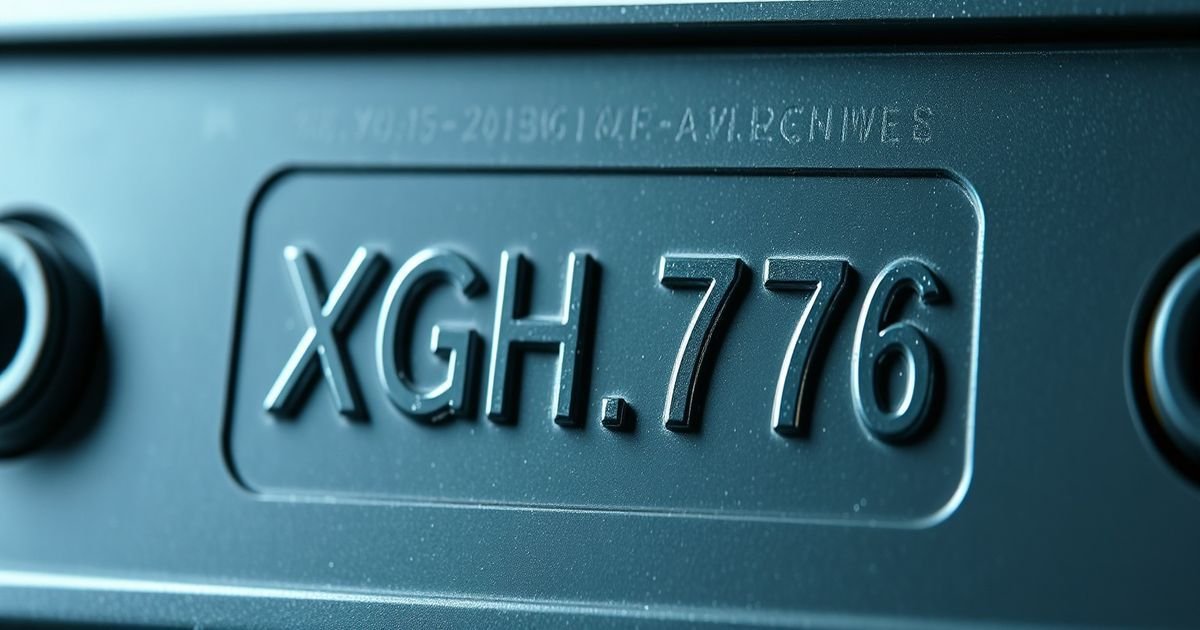
The XGH4.5.37K35AQWE Model Number represents a specialized industrial component widely used in automation and manufacturing systems. As industries increasingly rely on precision-engineered parts, understanding this model’s structure, capabilities, and applications becomes essential for engineers, procurement specialists, and maintenance teams. In 2026, with advancements in smart manufacturing, the XGH4.5.37K35AQWE Model Number continues to play a pivotal role in optimizing operational efficiency. This guide demystifies its technical aspects, ensuring you can leverage its full potential while avoiding costly misidentification. Whether you’re sourcing replacements or integrating new systems, clarity on this model number prevents errors and downtime.
What is the XGH4.5.37K35AQWE Model Number?
The XGH4.5.37K35AQWE Model Number is a unique identifier for a high-performance industrial actuator designed for heavy-duty applications. Unlike generic part numbers, it encodes critical specifications within its alphanumeric structure. For instance, “XGH” typically denotes the product series, “4.5” may indicate voltage or torque ratings, and “K35AQWE” often references manufacturing batches or custom configurations. According to Wikipedia, such model numbers standardize component identification across global supply chains, reducing ambiguity in procurement. This specificity ensures compatibility with machinery like robotic arms or conveyor systems. Misinterpreting even one character can lead to operational failures, making precise documentation vital. As industries adopt IoT-driven maintenance, the XGH4.5.37K35AQWE Model Number also facilitates seamless integration with digital asset management tools, enhancing traceability from production to end-of-life.
Key Specifications and Technical Details
Understanding the XGH4.5.37K35AQWE Model Number requires decoding its embedded technical parameters. Below are its core specifications:
- Voltage Rating: 480V AC, suitable for industrial power grids
- Torque Output: 37 Nm, ideal for medium-load applications
- Operating Temperature: -20°C to 85°C, ensuring reliability in harsh environments
- IP Rating: IP67, providing dust and water resistance
- Connector Type: 35-pin industrial harness (AQWE suffix)
These metrics make it a versatile choice for sectors like automotive manufacturing and food processing. The “K35” segment often signifies a reinforced housing variant, while “AQWE” may denote firmware version compatibility. For deeper insights into industrial standards, refer to Britannica’s engineering resources. Always verify specifications against manufacturer datasheets, as regional variants might alter tolerances. Neglecting these details risks equipment damage or safety hazards, underscoring why the XGH4.5.37K35AQWE Model Number must be treated as a precise technical blueprint.
Common Applications and Use Cases
The XGH4.5.37K35AQWE Model Number excels in scenarios demanding precision and durability. Its primary applications include:
- Robotic Assembly Lines: Controlling joint movements in automotive welding robots
- Packaging Machinery: Driving rotary valves in high-speed bottling systems
- HVAC Systems: Regulating damper actuators in commercial buildings
- Renewable Energy: Adjusting solar tracker positioning mechanisms
In 2026, its adoption has surged in smart factories leveraging Industry 4.0 protocols. For example, when integrated with PLCs (Programmable Logic Controllers), this model enables real-time torque adjustments via Modbus communication. Its IP67 rating also makes it indispensable in washdown environments like pharmaceutical production. If you’re exploring integration strategies, check out our technical resources for case studies. Remember, mismatched model numbers can cause system incompatibilities—always cross-reference with OEM guidelines before deployment.
Troubleshooting and Maintenance Tips
Even robust components like the XGH4.5.37K35AQWE Model Number require proactive maintenance. Common issues and solutions include:
- Overheating: Clean cooling vents and ensure ambient temperatures stay below 85°C
- Erratic Movement: Inspect wiring harnesses for pin corrosion (focus on the 35-pin AQWE connector)
- Reduced Torque: Calibrate via manufacturer software; replace if wear exceeds 5% tolerance
- Communication Failures: Verify Modbus address settings against network configurations
Regular diagnostics using vibration sensors can predict failures before they disrupt operations. For instance, unusual harmonics often precede bearing wear. Always power down systems before inspections to avoid electrical hazards. If persistent issues arise, consult OEM technical bulletins—many manufacturers publish firmware updates addressing known bugs. Proactive care extends the lifespan of your XGH4.5.37K35AQWE Model Number investment significantly.
Where to Find Reliable Information
Authentic data for the XGH4.5.37K35AQWE Model Number is critical for safe operations. Start with the manufacturer’s official documentation, which details installation schematics and safety certifications. Industry databases like ThomasNet also catalog verified specs, while forums like EngineerZone offer peer-reviewed troubleshooting advice. Always prioritize sources with ISO 9001 compliance to avoid counterfeit parts. For real-world implementation examples, visit here for detailed guides. Remember, unauthorized resellers often mislabel components—stick to authorized distributors to ensure authenticity. In 2026, blockchain-based traceability tools are emerging to combat counterfeiting, adding another layer of security for high-value models like this one.
Mastering the XGH4.5.37K35AQWE Model Number empowers teams to optimize machinery performance and reduce downtime. By decoding its structure, adhering to specifications, and implementing preventive maintenance, you unlock reliability in even the most demanding industrial settings. As technology evolves, staying updated on firmware enhancements and compatibility standards will keep your operations ahead of the curve. For ongoing support, leverage manufacturer portals and industry networks to navigate the complexities of modern component management.







Leave a Reply